

Understanding Electric Vehicle Charging and Energy Consumption
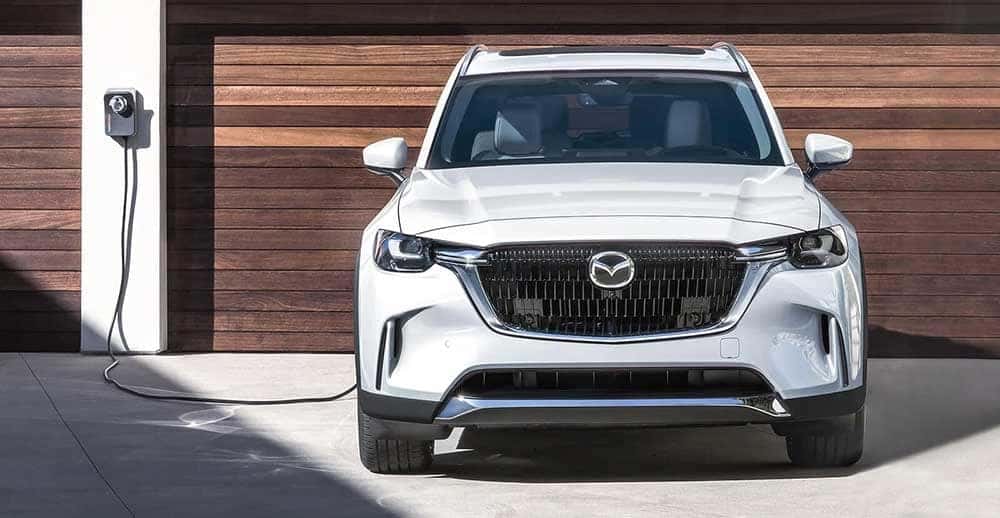
Electric vehicles (EVs) are rapidly becoming a common sight on our roads, offering a cleaner alternative to traditional gasoline-powered vehicles. However, understanding how they consume and store energy, and how they’re charged, can be a bit daunting for the uninitiated. This article aims to demystify these concepts, starting with something we covered in a separate article, the difference between kW and kWh.
kW vs. kWh: The Basics
- kW (Kilowatt): Represents power, or the rate at which energy is used or produced. In the context of EVs, it often refers to the power output of the vehicle’s motor or the charging power of a charger.
- kWh (Kilowatt-hour): Represents energy, or the total amount of energy stored or consumed. For EV batteries, it indicates the total energy storage capacity.
Battery Capacity: What Does 70 kWh or 100 kWh Mean?
When you hear that an EV has a 70-kWh or 100-kWh battery, it’s referring to the total amount of energy the battery can store. Think of it as the fuel tank in traditional vehicles; the larger the number, the more energy it can store, and typically, the further the vehicle can travel on a single charge.
Measuring EV Consumption
Just as gasoline vehicles are rated by their fuel consumption in litres per 100 km, EVs are rated by their energy consumption in kWh per 100 km. An EV that averages 15 kWh per 100 km is more efficient than one that averages 20 kWh per 100 km.
This also gives you an indication of range. If your EV has a battery capacity of 100 kWh and consumes 20 kWh per 100 km, it would have a range of 500 km. However, just like in gasoline vehicles, driving habits, such as speeding or frequent hard braking, can impact efficiency. The more aggressively you drive, the higher the energy consumption. So, if you reduce your energy consumption to 15 kWh per 100 km, your range just increased to over 600 km with the same 100-kWh battery.
Charging Levels: L1, L2, and L3
There are three general ways to recharge your EV’s battery.
- Level 1 (L1): Uses a standard 120-volt household outlet. It’s the slowest form of charging, typically providing 3-8 kilometers of range per hour of charging which means the vehicle will need to be plugged in for days before it has a full charge. You essentially plug your vehicle into a common outlet.
- Level 2 (L2): Uses a 240-volt electrical supply (like a large home appliance). It can provide 16-97 kilometers of range per hour, making it suitable for home and public charging. Most EVs will recharge fully in 9 to 12 hours using a Level 2 charger.
- Level 3 (L3) or DC Fast Charging: Direct current (DC) fast chargers are the quickest method, providing 96-160 kilometers of range in just 20 minutes depending on the model, and 80% of total range in 30 to 60 minutes depending on the vehicle and how fast you are charging. Fast charging stations vary in capability from 50 kW to 350 kW, but you also have to take into account your vehicle’s max charging rate. For example, an EV with a max charging rate of 150 kW won’t see any additional benefits of charging at 350 kW, but can charge at 150 kW faster than an EV that is limited to a max charging rate of 100 kW.
Charging Calculations and Considerations
When shopping for your next EV, what has been discussed previously is an important consideration.
Using a Level 2 home charger rated at 9.6 kW will charge an EV faster than one rated at 7.2 kW. For instance, a 100-kWh battery would take roughly 10 hours to charge from empty using a 9.6 kW charger, but closer to 14 hours with a 7.2 kW charger. That’s why it is worth researching the maximum charge rate on a Level 2 charger of the different vehicles you are considering.
As explained above, DC fast chargers can vary from 50 kW to 350 kW. A 50-kW charger would take about 2 hours to fully charge a 100-kWh battery, while a 300 kW charger could do it in under 20 minutes if the EV accepts 300-kW charging.
Why Maximum Charging Level Matters
Different EVs have different maximum charging rates. It’s essential to check the maximum charging level of an EV before purchasing, as this will determine how quickly it can be charged both at home and on the road. Some vehicles might be limited to slower charging speeds, which could be a consideration for those who travel frequently or don’t have regular access to a fast charger.When shopping for your next EV, battery size, energy consumption, and max charging rates at home and on a fast charger are important considerations. Balance this with the charging infrastructure around you, however. Some electric vehicles can charge at home at up to 22 kW, but you may only be able to install a 7.2-kW charger. The same can be said for fast chargers. Automakers will provide the best possible charging time number, but as buyers it is important to check at what kW this charging time is achieved. If it requires a 350-kW and there are no such stations in your area, then it is not as relevant.
Hopefully this information will help you make the best possible decision when it comes to choosing your next electric vehicle.
0 comment(s) so far on Understanding Electric Vehicle Charging and Energy Consumption