

Tips for Planning a Winter Road Trip in an Electric Vehicle
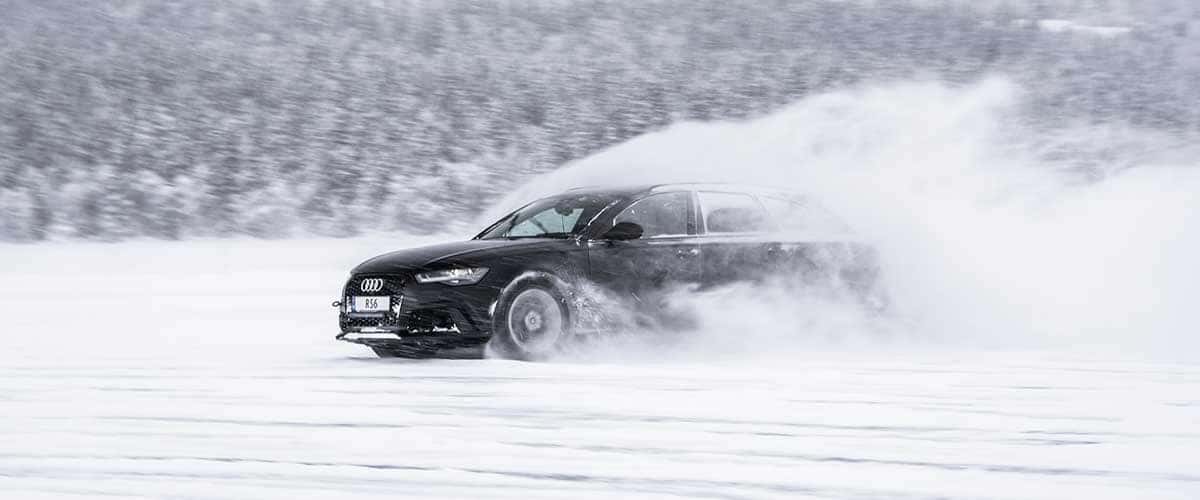
Winter road trips can be magical, offering snowy landscapes and crisp, clear skies. But when you’re traveling in an electric vehicle (EV), it requires extra planning to ensure a smooth and enjoyable journey. Here are some essential tips for planning a winter road trip in your EV.
-
Pre-Trip Battery Preparation
Cold weather can significantly impact the efficiency of your EV’s battery. Before setting off, ensure your battery is fully charged. If possible, store your vehicle in a garage to keep the battery warmer, which can help maintain its range.
-
Plan Your Charging Stops
Battery range can decrease in cold weather, so it’s crucial to plan your charging stops. Use a trip planner app that caters to EVs to locate charging stations along your route. Consider adding a few extra stops than you would in warmer weather, just to be on the safe side. Also, some more remote locations may not have many charging areas. For example, if you are planning a trip to a far-away mountain for skiing, check to see if the area has sufficient charging.
-
Opt for Fast Charging Stations
To minimize downtime during your trip, look for fast-charging stations. These can be particularly useful in cold weather when battery charging can take longer than usual. Remember, however, that charging past 80% will be significantly slower than from 20% to 80%. Therefore, you should plan your routes between charging stations not based on having 100% or your vehicle’s available range, but less than 80%. If possible, avoid arriving at your destination with less than 10% range as charging to 10% takes more time as well.
-
Keep an Eye on the Weather
Winter weather can be unpredictable. Keep an eye on the forecast and be prepared for sudden changes in conditions. If a major storm is forecasted, it might be safer to alter your route or postpone your trip.
-
Pack Winter Essentials
Safety comes first. Pack winter essentials such as blankets, extra food and water, a flashlight, a first-aid kit, and a snow scraper. If you’re heading into snowy areas, tire chains and a shovel might also be necessary.
-
Precondition Your Vehicle
Many EVs allow you to precondition the interior while they’re still plugged in. Take advantage of this feature to warm up your car before you leave. This uses power from the grid rather than the battery, preserving your range for the road.
-
Drive Efficiently
Adopt a smooth driving style to conserve battery. Aggressive acceleration and high speeds can deplete the battery faster. Use regenerative braking to your advantage, especially on downhill stretches.
-
Check Tire Pressure Regularly
Cold air can reduce tire pressure, which in turn can affect your vehicle’s range and handling. Check your tire pressure regularly and keep them inflated to the recommended level.
-
Understand Your Vehicle’s Limitations
Familiarize yourself with how your EV performs in cold weather, particularly its range and handling characteristics on snowy or icy roads. Moreover, remember that slippery conditions will possibly require more intensive use of the accelerator which can further impact driving range. Also, your EV uses regenerative braking which can behave slightly differently from regular brakes on icy surfaces. Make sure you are familiar with how your EV behaves on winter roads.
-
Enjoy the Journey
Finally, don’t forget to enjoy the journey! Winter road trips in an EV can be a unique and rewarding experience, while also making your winter journey more affordable as you won’t need to prepare any gas money. Plan well, but also be ready to embrace the unexpected adventures that come your way.
Armed with these tips, your winter road trip in an electric vehicle promises to be a memorable adventure. The key is in the preparation – once that’s taken care of, you’re free to enjoy the serene beauty of a winter landscape, all while making a minimal environmental footprint.
0 comment(s) so far on Tips for Planning a Winter Road Trip in an Electric Vehicle