

How to Prepare for Your First Winter in an Electric Vehicle
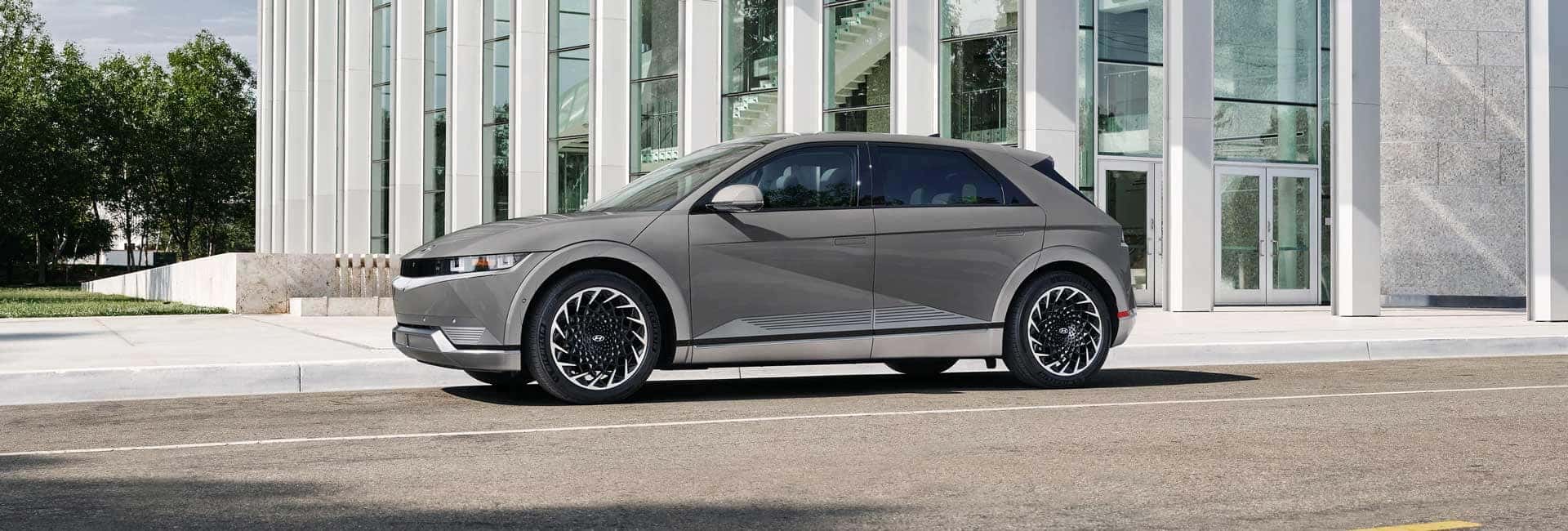
Electric vehicles (EVs) have become increasingly popular due to their environmental benefits and advancements in technology. However, if you’re new to the world of EVs and are about to experience your first winter driving one, there are some unique considerations to keep in mind. Cold temperatures can affect an EV’s performance and range, but with proper preparation, you can navigate the winter months with ease. Here’s a guide to help you prepare for your first winter in an electric vehicle.
-
Understand the Impact of Cold on Battery Range
Cold temperatures can reduce the range of your EV’s battery. The battery’s chemical reactions slow down in the cold, and the energy output can decrease. Additionally, using heaters and other electrical components can further reduce the range. It’s essential to be aware of this and plan your trips accordingly.
-
Precondition Your Vehicle
Many modern EVs come with a preconditioning feature. This allows you to warm up the battery and cabin while the vehicle is still plugged in, using power from the grid rather than the battery. By doing so, you can conserve battery energy and increase your driving range.
-
Check Your Tires
Just like with traditional vehicles, winter tires are crucial for EVs. They provide better grip on snowy and icy roads, ensuring safer driving. Additionally, some winter tires are designed specifically for electric vehicles, offering low rolling resistance to help maximize range.
-
Adjust Your Driving Habits
Smooth driving can help conserve battery life. Avoid sudden accelerations and use regenerative braking when possible. This can help recharge the battery slightly and extend your range.
-
Plan Your Charging Strategy
With reduced range in colder months, it’s essential to plan your charging stops if you’re going on a longer trip. Make use of manufacturer apps or your vehicle’s navigation system to locate charging stations along your route. Also, consider charging more frequently during winter to ensure you always have enough range.
-
Keep Your EV Plugged In
When not in use, especially during extremely cold nights, keep your EV plugged in. This can help maintain the battery’s temperature, ensuring it’s ready to go when you are.
-
Use Seat Heaters Instead of Cabin Heaters
Seat heaters use less energy than heating the entire cabin. If you’re looking to conserve battery life, activate the seat heating feature or buy third-party seat warmers.
-
Maintain Your Vehicle
Regular maintenance is essential, even for electric vehicles. Check the brakes, lights, and other essential systems. Ensure that the battery’s thermal management system, which regulates the battery’s temperature, is working correctly.
-
Prepare for Emergencies
Always carry an emergency kit in your vehicle. For EVs, consider including a portable battery charger, extra warm clothing, blankets, non-perishable food, water, a flashlight, and basic first-aid supplies.
-
Stay Informed
Technology and best practices for EVs are continually evolving. Stay updated with the latest information from your vehicle’s manufacturer and join online EV communities to learn from other users’ experiences.
Driving an electric vehicle during winter might require some adjustments to your routine, but with proper preparation, it can be a smooth experience. Embrace the unique aspects of EV ownership, and enjoy the benefits of sustainable, eco-friendly transportation, even in the coldest months. Safe driving!
0 comment(s) so far on How to Prepare for Your First Winter in an Electric Vehicle