

Frequently Asked Questions About Pre-Owned Electric Vehicles
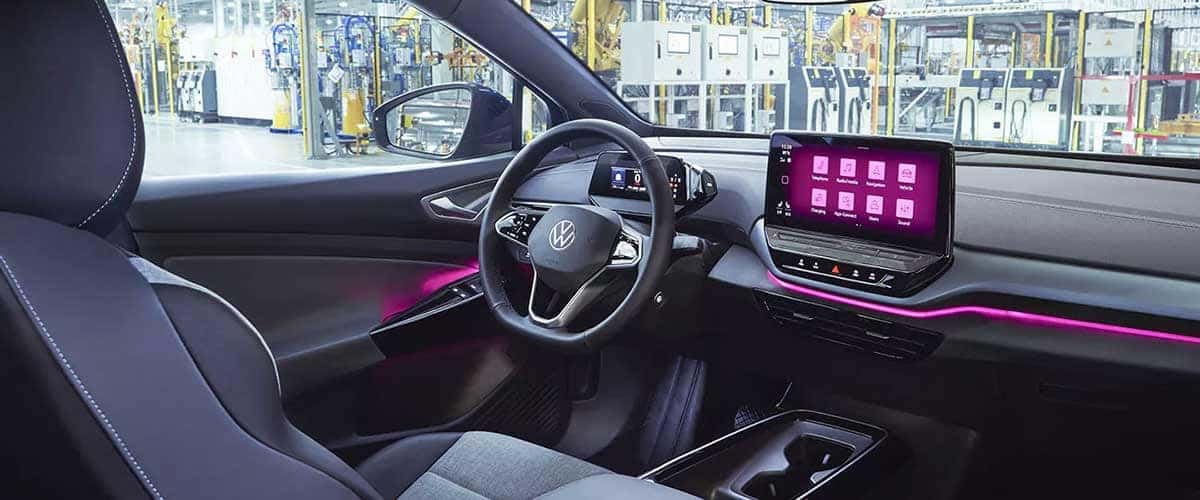
In the rapidly evolving world of electric vehicles (EVs), pre-owned models are becoming an increasingly attractive option for buyers looking to enter the EV market without the higher price tag of a new vehicle. However, navigating this emerging market can raise several questions. This article aims to address some of the most frequently asked questions about pre-owned electric vehicles, offering insights to help you make an informed decision.
-
Should I Worry About Battery Degradation?
Battery degradation is a natural process in all electric vehicles, but it doesn’t necessarily have to be a major concern. The rate of degradation depends on various factors like the vehicle’s age, how it was used, and its charging history. Modern EVs are designed with advanced battery technology that ensures longevity, but it’s still wise to check the specific battery health of a pre-owned EV. Most EV batteries retain significant capacity even after several years of use.
-
What Kind of Impact Can Age Have on Range?
The age of an EV can impact its range due to battery degradation. Typically, an EV battery loses about 1-2% of its capacity per year. This means that an older EV might not have the same range as it did when new. However, this reduction in range is generally gradual and may not significantly impact your daily use, depending on your driving habits.
-
Are There Rebates for Pre-Owned Electric Vehicles in Canada?
In Canada, rebates and incentives for electric vehicles predominantly apply to new models. However, certain provinces may offer specific incentives for pre-owned EVs. It’s important to research the particular incentives available in your province, as these programs are subject to change and can vary regionally.
-
Can I Save a Lot Over New Vehicles That Have Rebates?
Purchasing a pre-owned EV can indeed offer substantial savings over new models, even when considering rebates on new vehicles. The initial depreciation hit has already been taken on a pre-owned vehicle, which can result in a significantly lower purchase price. When coupled with the inherent savings on fuel and maintenance, pre-owned EVs can be a very cost-effective choice.
-
Are Pre-Owned Vehicle Batteries Covered Under Warranty?
This depends on the vehicle’s age and the manufacturer’s warranty policy. Many electric vehicles come with long-term warranties on their batteries, often up to 8-10 years, which can be transferred to new owners. It’s vital to check the remaining warranty on the battery for the specific pre-owned EV you’re considering.
-
Do Pre-Owned Electric Vehicles Offer the Same Charging Capability as New Models?
Pre-owned EVs generally offer the same charging capabilities as they did when new. However, it’s important to note that charging technology is constantly advancing, and newer models will often support faster charging options, particularly ultra-fast DC charging at 150 kW or even 350 kW. New EVs also tend to charge faster on a home Level 2 charger. Check the vehicle’s specifications to understand its charging capabilities and whether they meet your needs.
-
Should I Buy a Pre-Owned EV or a New EV?
This decision depends on your priorities and circumstances. A new EV offers the latest technology, full warranty coverage, and potential government rebates. On the other hand, a pre-owned EV can provide significant cost savings and still offer many of the benefits of electric driving. Consider factors like your budget, driving habits, the importance of the latest features, and environmental impact when making your choice.
Pre-owned electric vehicles present an exciting opportunity to join the EV revolution in a more affordable way. By considering the aspects highlighted in these FAQs, you can make a choice that aligns with your needs, budget, and commitment to sustainable driving. As the market for EVs continues to grow, so does the potential and appeal of pre-owned options.
0 comment(s) so far on Frequently Asked Questions About Pre-Owned Electric Vehicles