

5 Tips for Buying a Pre-Owned Electric Vehicle
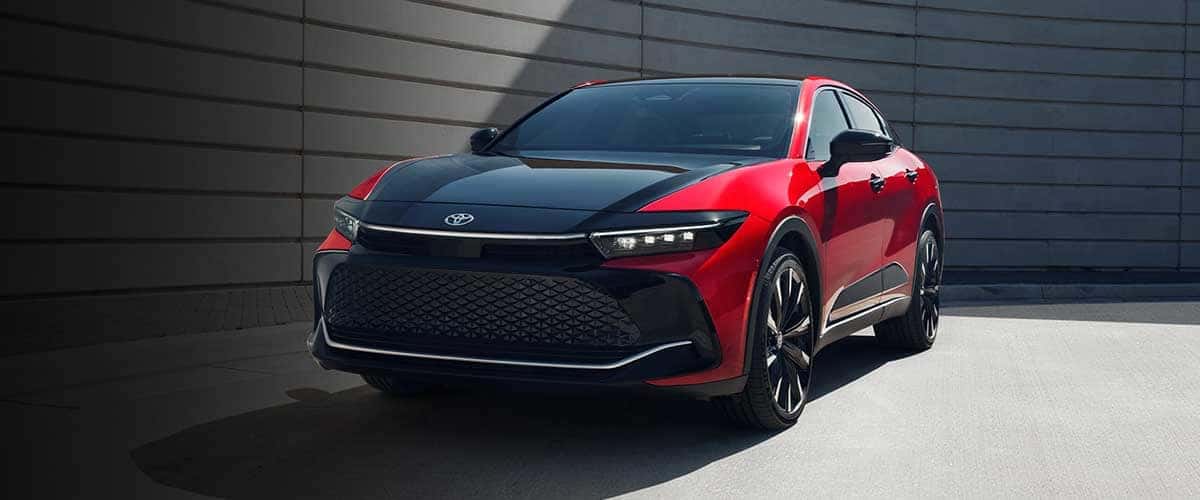
As the market increasingly leans towards sustainable solutions, electric vehicles (EVs) are being considered by more and more Canadian consumers. Choosing a pre-owned EV not only supports this green movement but also offers a cost-effective entry into the world of electric mobility. It is certainly an option worth considering, but potential buyers do need to do their homework. Here are five essential tips to guide you through the process of purchasing a pre-owned electric vehicle and help you determine if you should go with a used EV or choose a new electric vehicle.
-
Check Battery Health and Range
The battery is the lifeblood of an EV, directly influencing its range and performance. Assessing battery health is paramount. Look for detailed battery health reports and consider getting an independent evaluation. A key point to note is the battery’s maximum range on a full charge, as this can decrease over time due to battery degradation. You will want to research different EVs to learn more about their owner’s experience with range reduction over time. Some electric vehicles are more impacted than others by this phenomenon.
-
Review the Vehicle’s History
Investigate the EV’s history thoroughly. A comprehensive vehicle history report should include past accidents, repairs, and recall information. Focus particularly on the maintenance history of electrical components and the battery, as these are critical to the vehicle’s operation. Understanding the car’s past can help you anticipate future needs and potential expenses.
-
Understand the Warranty
Many EVs come with extensive warranties, especially on their batteries and electric motors. When buying pre-owned, find out what’s still covered. Manufacturer warranties on EV batteries and drivetrains can be quite extensive, sometimes up to 8 years or more. Verify if these warranties are transferable to new owners and how they might impact your ownership.
-
Consider Charging Options
Evaluate your charging infrastructure options carefully. Understand the types of chargers compatible with the vehicle and the charging speeds they offer. Consider the installation of a home charging station if you have private parking, and research local public charging facilities. Moreover, take a look at the charging rate of the EV you are considering. Many new electric vehicles offer very quick charging times that pre-owned EVs could not reach, so you will want to take this into account as well.
-
Evaluate Total Cost of Ownership
The total cost of ownership of an EV goes beyond the initial purchase price. Factor in the long-term savings due to lower fuel costs, fewer maintenance requirements, and potential rebates. Electric vehicles typically have fewer moving parts than internal combustion engines, resulting in lower maintenance costs over time. Moreover, the fuel cost savings can be substantial, especially if you drive a lot. That said, here you may also want to compare the cost of a pre-owned EV to a new EV and see which is more appealing. Electric vehicles do depreciate just like traditional gas-powered vehicles. However, new vehicles also have more generous incentives. You will want to compare the cost of a pre-owned vehicle (and any potential incentives like the ones offered in certain provinces) with the cost of a new EV including incentives to determine which is the most advantageous option.
Purchasing a pre-owned electric vehicle is a forward-thinking step that aligns with both environmental consciousness and economic sensibility. Armed with these tips, you’re well-equipped to navigate the pre-owned EV market. This choice not only contributes to a greener future but also offers a unique and enjoyable driving experience. Embrace the journey towards sustainable mobility with confidence and enthusiasm!
0 comment(s) so far on 5 Tips for Buying a Pre-Owned Electric Vehicle